
Nikesha Breeze
Richard Levy Editions
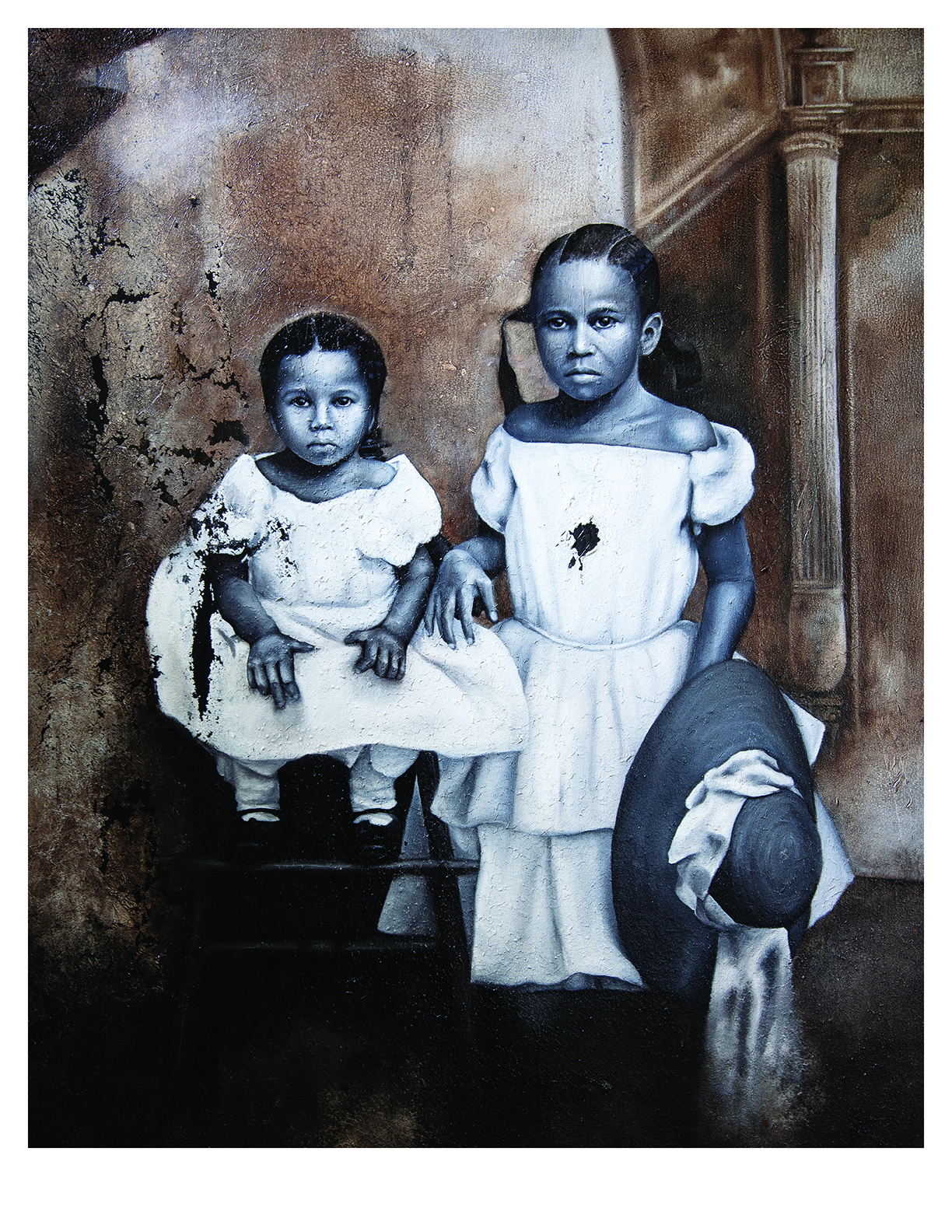
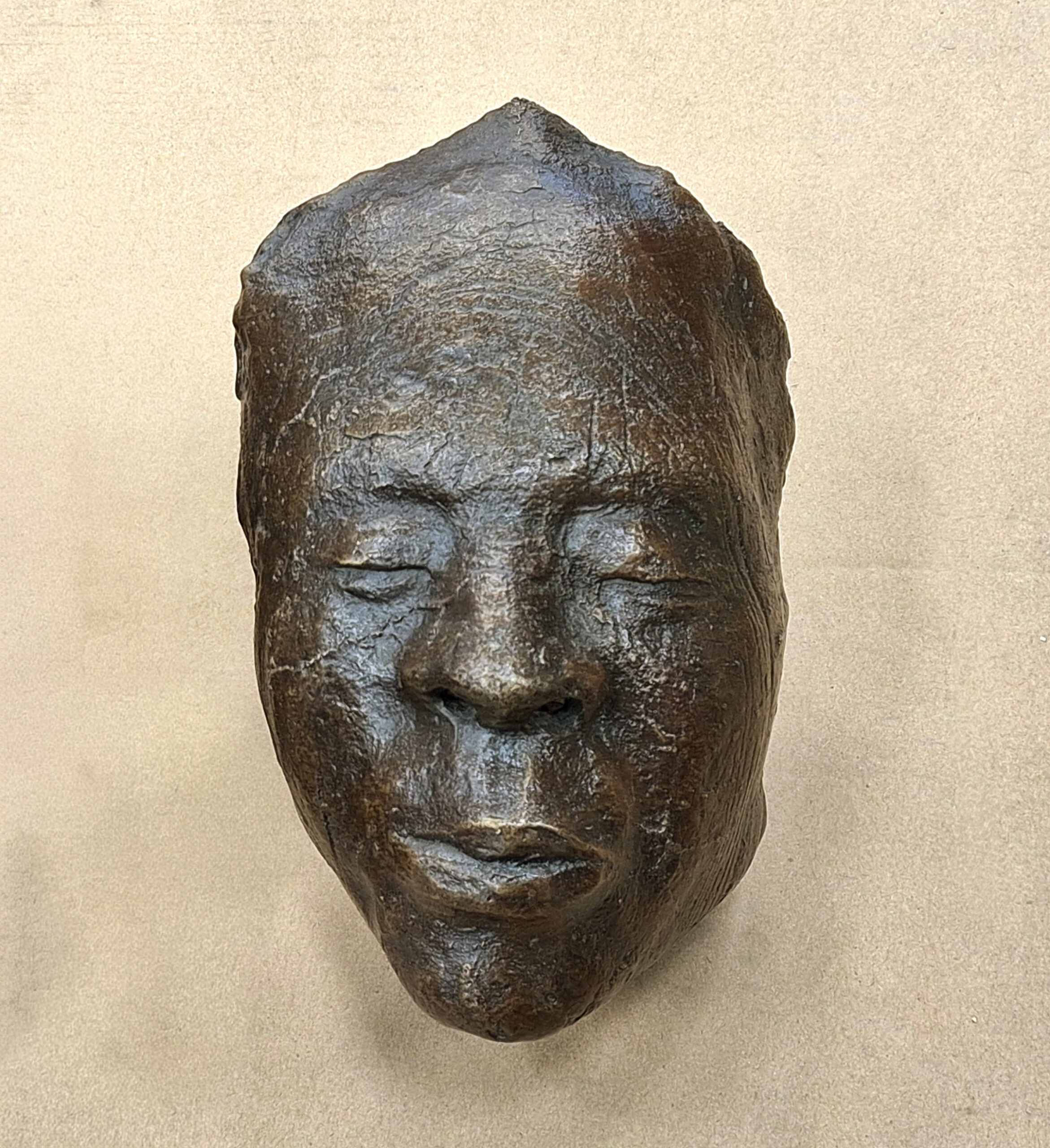
Two limited editions by Nikesha Breeze. Published in support of the Living Histories Project
Isadora and Mary Noe Freeman, 2026, archival pigment print, 20 x 15.875 inches: image, edition of 50
Bronze Mask (from 108 Death Masks: A Communal Prayer for Peace and Justice), 2026, cast bronze, 7.625 x 4.75 x 3.375 inches, edition of 8
Grounded in a global African diasporic and Afro-Futurist perspective, Nikesha Breeze (Taos, NM) draws on ancestral memory, archival research, and memorial to revive stories long erased from the historical record. The limited archival pigment print of Breeze’s painting Isadora and Mary Noe Freeman, draws from the artist’s ongoing Archival Portraiture series which transforms early photographic records—daguerreotypes, tintypes, and emulsion photographs dating as far back as 1840—into life-sized paintings honoring Black ancestors whose stories were overlooked or erased. Informed by the legacy of Frederick Douglass, the most photographed American of the nineteenth century, the series reclaims portraiture as an act of dignity, testimony, and historical repair.
The limited bronze mask that derives from Breeze’s landmark installation 108 Death Masks: A Communal Prayer for Peace and Justice. The original work was created over a 108-day vigil, during which the artist carved one mask per day from clay—each slab first rolled smooth to represent innocence before being marked with acts of violence and physical tension to simulate the conditions experienced by enslaved people. In 2024, a bronze version was commissioned by the Equal Justice Initiative and installed permanently at the Freedom Monument Sculpture Park in Montgomery, Alabama, honoring the six million lives lost in enslavement in the United States. This limited edition was cast at Stratton Studios in Philadelphia based on an artist proof created for the Montgomery installation.
Follow the Living Histories Project on Instagram: @living_histories_project